NSFW images are not allowed. All image uploads are checked.
Kling 3.0. Direct the opening, action, and final frame.
Explore Kling 3.0 examples across different scenes, then try your own idea.
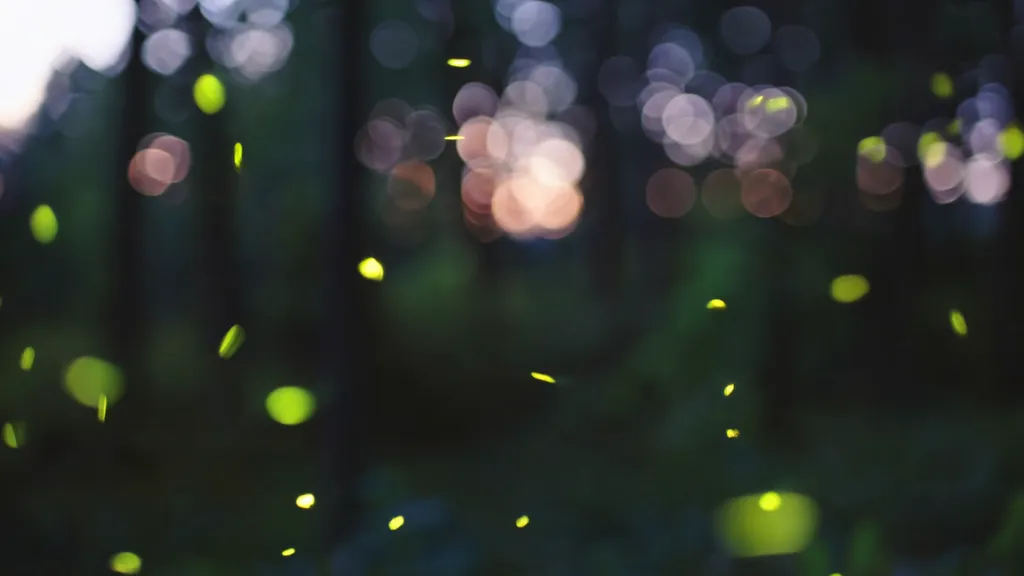
Forest atmosphere
Kling 3.0
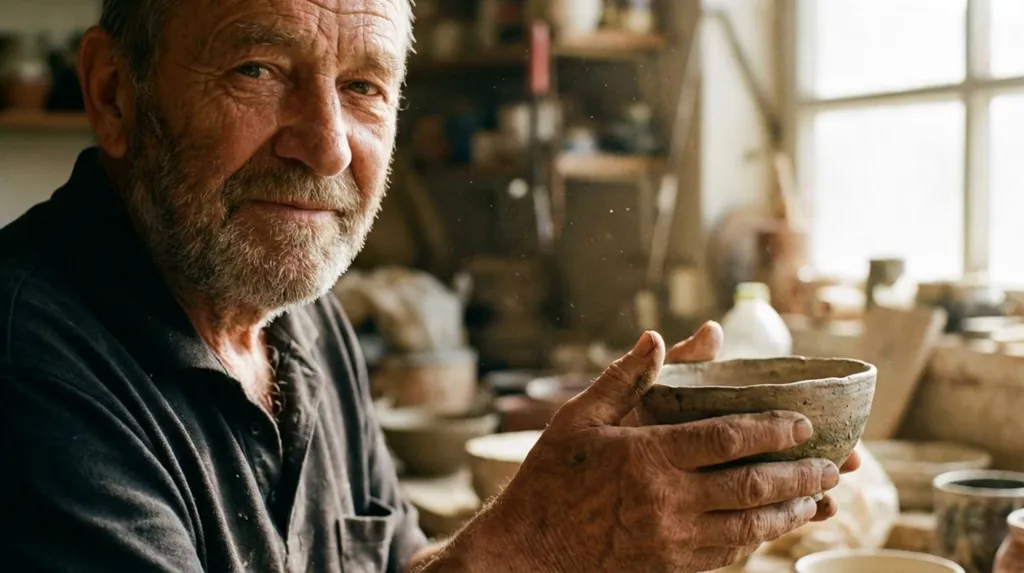
Craft and gesture
Kling 3.0
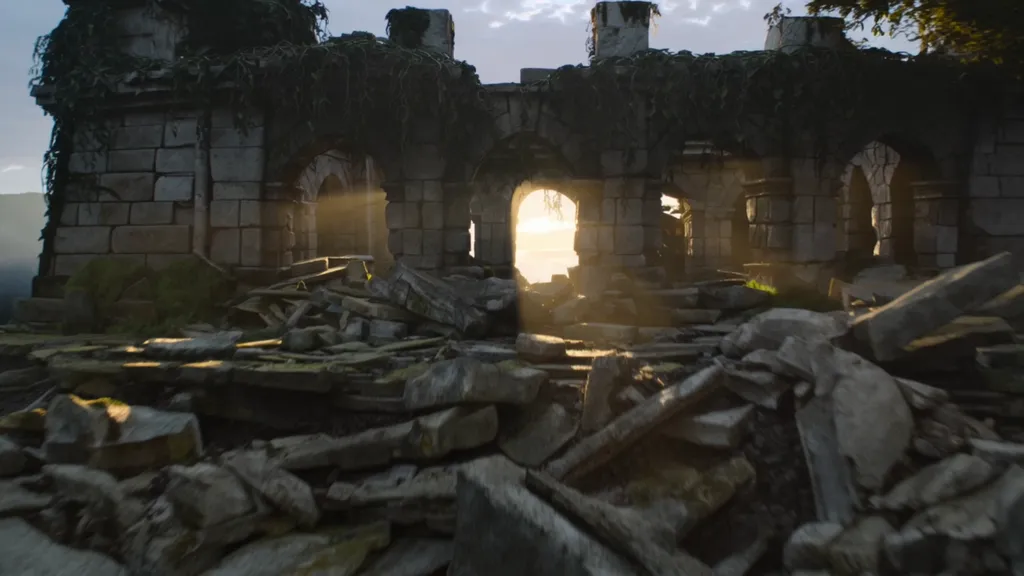
Landscape movement
Kling 3.0
Kling 3.0 AI Video Generator
Kling 3.0. Direct the opening, action, and final frame. Build a short scene from a prompt, optionally anchored by starting and ending images. Choose the output mode and audio setting that fit your intended shot.
Explore the Kling 3.0 controls available in this workspace, from your first input to the finished video.
Kling 3.0
Kling 3.0: Layered environmental motion
Kling 3.0. Give small moving elements a clear setting. A twilight forest with fireflies offers depth, light, and gentle motion. Describe the camera pace and the distribution of light while keeping the central composition simple.
Kling 3.0
Kling 3.0: Animate a starting image
Kling 3.0. Anchor the composition with a first frame, then describe a small gesture and camera movement. The craftsman scene focuses on a tangible object and subtle action. Keep the movement compatible with the pose and perspective in the input.
Kling 3.0
Kling 3.0: Establish a place
Kling 3.0. Use a wide shot to introduce geography before asking for detailed action. The ruins example combines an expansive landscape with a clear camera direction. Describe altitude, travel direction, and light to shape the establishing shot.
Use references with Kling 3.0
Give each input a clear purpose in your Kling 3.0 brief. A reference can anchor what should stay recognizable; the prompt explains what should change. Use only the reference controls offered for the selected version.
Refine a Kling 3.0 result
Compare the output with the brief before changing several settings. Keep the successful composition, then adjust one detail in the next Kling 3.0 attempt. Save a useful prompt so you can develop related variations.
Kling 3.0 input guidance
An ending frame requires a starting frame. This page does not expose the Omni model’s subject references or multi-shot controls.
Made with Clipin
Use cases
Choose a focused brief for your next Kling 3.0 project. These starting points help you plan what to generate.
01
Kling 3.0 for a controlled product reveal
Move from an establishing composition to a closer finishing pose, using frames when the endpoints matter. Use Kling 3.0 to explore the scene, then adjust the framing, light, or action to suit your project.
02
Kling 3.0 for workshop gesture
Animate a small action around a tangible object. Use Kling 3.0 to explore the scene, then adjust the framing, light, or action to suit your project.
03
Kling 3.0 for valley establishing shot
Introduce a landscape with a deliberate camera path. Use Kling 3.0 to explore the scene, then adjust the framing, light, or action to suit your project.
Start free. Grow when you’re ready.
One credit balance for video, image, and voiceover creation.
Starter
For occasional creation
$24/month$29
Billed $288 yearly · Save $60
Models included
MiniMax H3
Seedance
FLUX 3
Seedream
Nano Banana
500 credits per month
Up to 13 fast videos
Up to 166 images
UGC templates & Story creation
Image generation & editing
AI voiceovers
Preview & download
Credit top-ups available
Recommended
Creator
For regular content creation
$65/month$79
Billed $780 yearly · Save $168
Models included
MiniMax H3
Seedance
FLUX 3
Seedream
Nano Banana
1,600 credits per month
Up to 42 fast videos
Up to 533 images
UGC templates & Story creation
Image generation & editing
AI voiceovers
Preview & download
Credit top-ups available
Lowest credit price
Studio
For high-volume creation
$182/month$199
Billed $2,184 yearly · Save $204
Models included
MiniMax H3
Seedance
FLUX 3
Seedream
Nano Banana
5,400 credits per month
Up to 142 fast videos
Up to 1,800 images
UGC templates & Story creation
Image generation & editing
AI voiceovers
Preview & download
Credit top-ups available
Credits are shared across images, videos and voiceovers. Monthly credits don’t roll over.
Kling 3.0 creates video outputs from the supported inputs on this page. Build a short scene from a prompt, optionally anchored by starting and ending images. Choose the output mode and audio setting that fit your intended shot.
Which Kling 3.0 version is available here?
Frame-guided motion. An ending frame requires a starting frame. This page does not expose the Omni model’s subject references or multi-shot controls. The model selector and form show the choices available for your Kling 3.0 generation.
How do I start a Kling 3.0 generation?
Write a brief, choose your output settings, and add optional inputs where needed. Review the displayed credit estimate, then submit your Kling 3.0 request. Follow the account prompt if sign-in is required.
What settings does Kling 3.0 offer?
Choose 3–15 seconds with Standard, Pro, or 4K mode. The form offers aspect ratio and optional generated audio, along with first and last image inputs. Available controls come from the selected Kling 3.0 model, so changing a version can change its options.
How should I write a Kling 3.0 prompt?
Describe the subject and the intended result first. Move from an establishing composition to a closer finishing pose, using frames when the endpoints matter. Add useful lighting and composition details to your Kling 3.0 prompt, and remove instructions that conflict with one another.
Can I edit a Kling 3.0 starter prompt?
Yes. Use prompt replaces the current prompt with the selected example. Edit it before generating with Kling 3.0; choosing a starter does not submit a request or spend credits.
How much does Kling 3.0 cost?
The generator displays an estimate for the selected settings. Kling 3.0 credit usage can vary with the version and output options. Review the estimate before generating and check your account for available credits.
Are the Kling 3.0 examples guaranteed results?
No. The examples show model outputs for inspiration. Your Kling 3.0 result depends on its inputs and settings, and separate generations can differ. Review each output before including it in your finished project.
Make your next idea with Kling 3.0.
Start with a clear Kling 3.0 prompt, choose your settings, and make the result your own.
 Kling 3.0